
Quick answer: Before the puppy arrives, buy: a washable bed, a crate with a divider, stainless steel bowls, a flat-buckle collar with ID tag, a 1.2 to 1.5 metre lead, a supply of the breeder's food, training treats, chew toys, and poo bags. The first car ride home should be calm (a second person holding the puppy is ideal). The first night: expect crying, take the puppy out for one toilet trip around 2 to 3 am, and do not reward the crying. The first 3 days: expect loose stools, picky eating, and a sleepy puppy. Plan to be home for at least the first week.
The shopping list (before collection day)
A short list. Most items can be bought from Pets at Home, Amazon UK, or a local independent pet shop. Budget roughly £150 to £250 for the full kit.
- Bed: a washable, snug bed. Viscose or fleece cover. Avoid raised beds for the first 8 weeks.
- Crate: wire or fabric, sized so the puppy can stand, turn, and lie down. A divider panel for growth.
- Bowls: stainless steel or ceramic. A slow feeder for fast eaters.
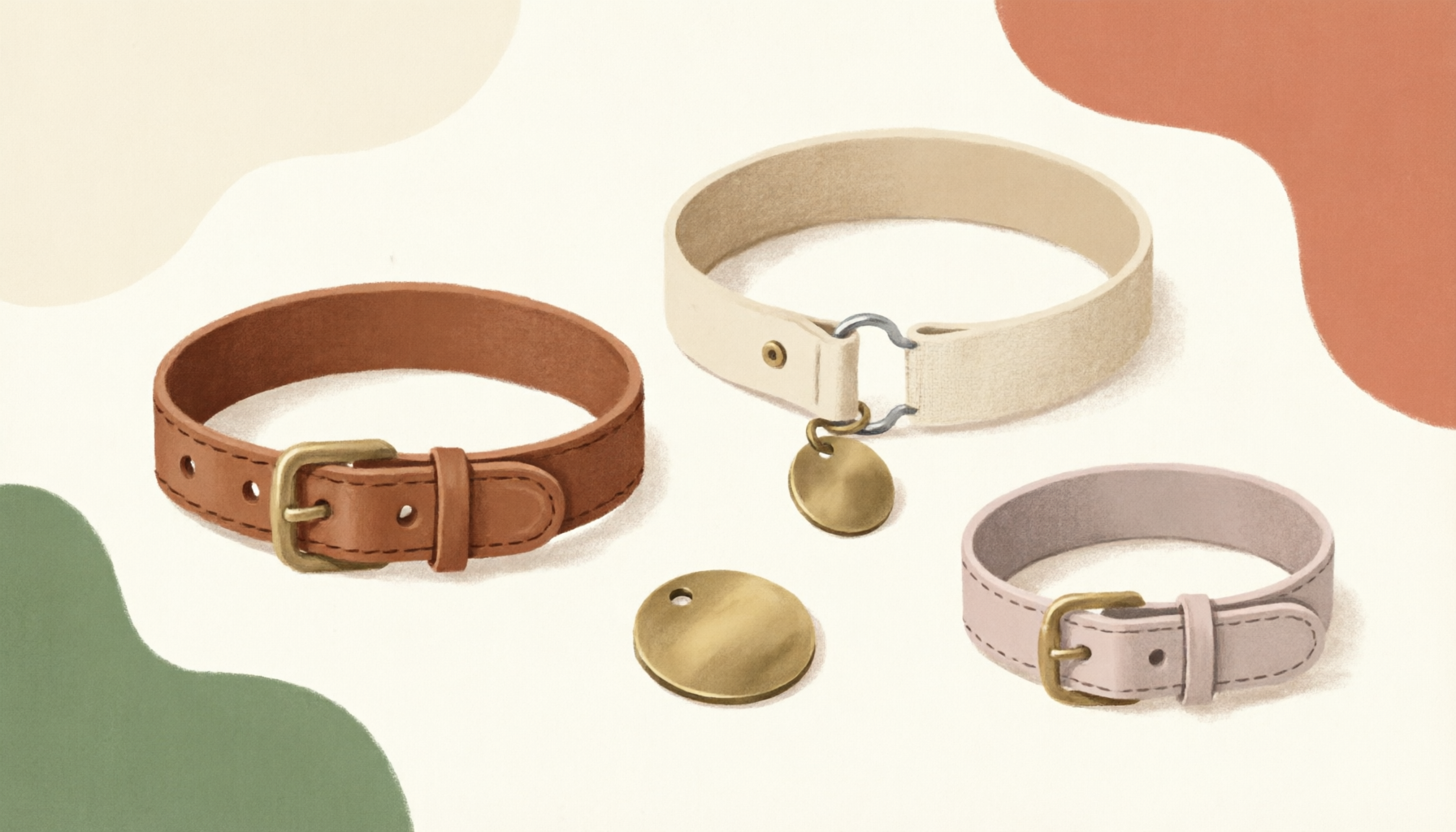
- Collar and lead: a flat, adjustable collar with a quick-release buckle. A 1.2 to 1.5 metre lead. Do NOT use a retractable lead for puppies.
- ID tag: UK law requires your name and address on the tag, or the dog microchipped (the recommended minimum).
- Food: the breeder's or rescue's existing brand for the first 2 weeks.
- Treats: small, soft, high-value. Training treats.
- Chew toys: a mix of soft and hard. Avoid rawhide (choking risk).
- Poo bags: 200 to start.
- Puppy pads: useful for the first 2 weeks while you learn the puppy's toilet schedule.
- Enzymatic cleaner: for indoor accidents. Bleach does not break down the smell.
- Vet contact details: book the first appointment for the first week.
A more detailed list with product suggestions is in our new puppy gifts starter guide.
Day 0: collection day
The first 2 hours matter more than the next 2 weeks. The puppy is leaving everything it knows (mother, littermates, familiar smells). Set up for a calm arrival.
- A second person in the car. One person drives; the other holds the puppy on their lap or in a carrier. A 30 to 60 minute car ride is the puppy's first travel experience.
- One room on arrival. A kitchen or utility room with the bed, water bowl, and puppy pads in one corner. The puppy learns the room first.
- No visitors for 24 to 48 hours. The puppy needs time to settle before the socialisation starts.
- First toilet trip within 30 minutes of arrival. Take the puppy to the spot you have chosen as the toilet area. Same door, same spot, every time.
The first night
Expect crying. The puppy has never been alone before. The first 1 to 3 nights are the hardest.
A practical first-night protocol:
- Crate next to your bed (or on your bed if the puppy is very small and the household is calm). The puppy can hear you breathing.
- Take the puppy out for one toilet trip around 2 to 3 am. Carry them to the toilet spot. Reward on success. Back to the crate.
- Do not reward the crying. Going to the puppy every time it cries teaches the puppy to cry for attention. A quick "settle" from your bed is enough for normal first-night crying.
- White noise or a ticking clock can help. A warm water bottle wrapped in a towel mimics a littermate.
- Expect 2 to 4 nights of disrupted sleep. By night 5 to 7, most puppies settle.
If the puppy is in a separate room from night 1, the crying can be more severe and last longer. The first nights are the bond-building nights. Stay close.
Days 1 to 3: what to expect
A new puppy in a new home goes through 4 predictable stages in the first 3 days.
- Day 1: quiet, sleepy, confused. The puppy explores slowly, sleeps a lot, and may refuse some food. Normal.
- Day 2: more confident. The puppy starts to explore further and may have a small burst of energy. Loose stools are common (stress, new food, new water).
- Day 3: the testing phase. The puppy figures out what works (crying gets attention, biting gets play) and may push boundaries. This is normal canine behaviour, not a temperament problem. Be consistent.
Loose stools on day 1 to 3 are usually stress-related and resolve within a week. If the stools remain loose after day 5, or contain blood, see the vet.
Puppy-proofing the house
Before the puppy arrives, walk through the house and remove the obvious risks.
- Electrical cables: tuck behind furniture, use cable covers, or apply bitter apple spray.
- Houseplants: many common houseplants are toxic to dogs (lilies, daffodils, ivy, philodendron). Move them out of reach.
- Cleaning products: store in a high cupboard. Concentrated bleach, washing pods, and essential oils are the commonest puppy toxicities.
- Small objects: socks, hair ties, coins, batteries, Lego. Anything that fits in the mouth.
- The garden: check the fence for gaps; remove any slug pellets (metaldehyde is toxic); secure compost bins.
- Children's toys: small plastic pieces, marbles, etc.
The first 6 months of a puppy's life are the highest-risk period for poisoning and foreign body ingestion. Puppy-proofing the house is the cheapest insurance.
The first vet visit
Book the first vet visit within 3 days of bringing the puppy home. The vet will:
- Do a full physical check.
- Set up the vaccination and worming schedule.
- Discuss diet, parasite prevention, and neutering timing.
- Answer your questions.
The first consultation is usually £30 to £50. Many practices offer a "puppy pack" with vaccination discounts.
FAQ
Frequently Asked Questions
What do I need to buy before bringing a puppy home UK?
The essentials: a washable bed, a crate with a divider, stainless steel bowls, a flat-buckle collar with ID tag, a 1.2 to 1.5 metre lead, the breeder's existing food, training treats, chew toys, and poo bags. Budget £150 to £250 for the full kit. See our [new puppy gifts starter guide](/blog/new-puppy-gifts-starter-guide) for a fuller list.
How do I get my puppy through the first night?
Crate next to your bed, expect crying, and take the puppy out for one toilet trip around 2 to 3 am. Do not reward the crying; a quick 'settle' from your bed is enough. White noise and a warm water bottle wrapped in a towel help. By night 5 to 7, most puppies settle.
When should I take my new puppy to the vet?
Within 3 days of bringing the puppy home. The vet checks the puppy, sets up the vaccination and worming schedule, and answers your questions. The first consultation is usually £30 to £50.
Need a first collar, lead, or bed? See our collars guide, beds guide, and new puppy gifts starter guide.
Puppy care guide UK Puppy training UK Puppy health UK Puppy feeding UK New puppy gifts starter guide Complete dog grooming guide