
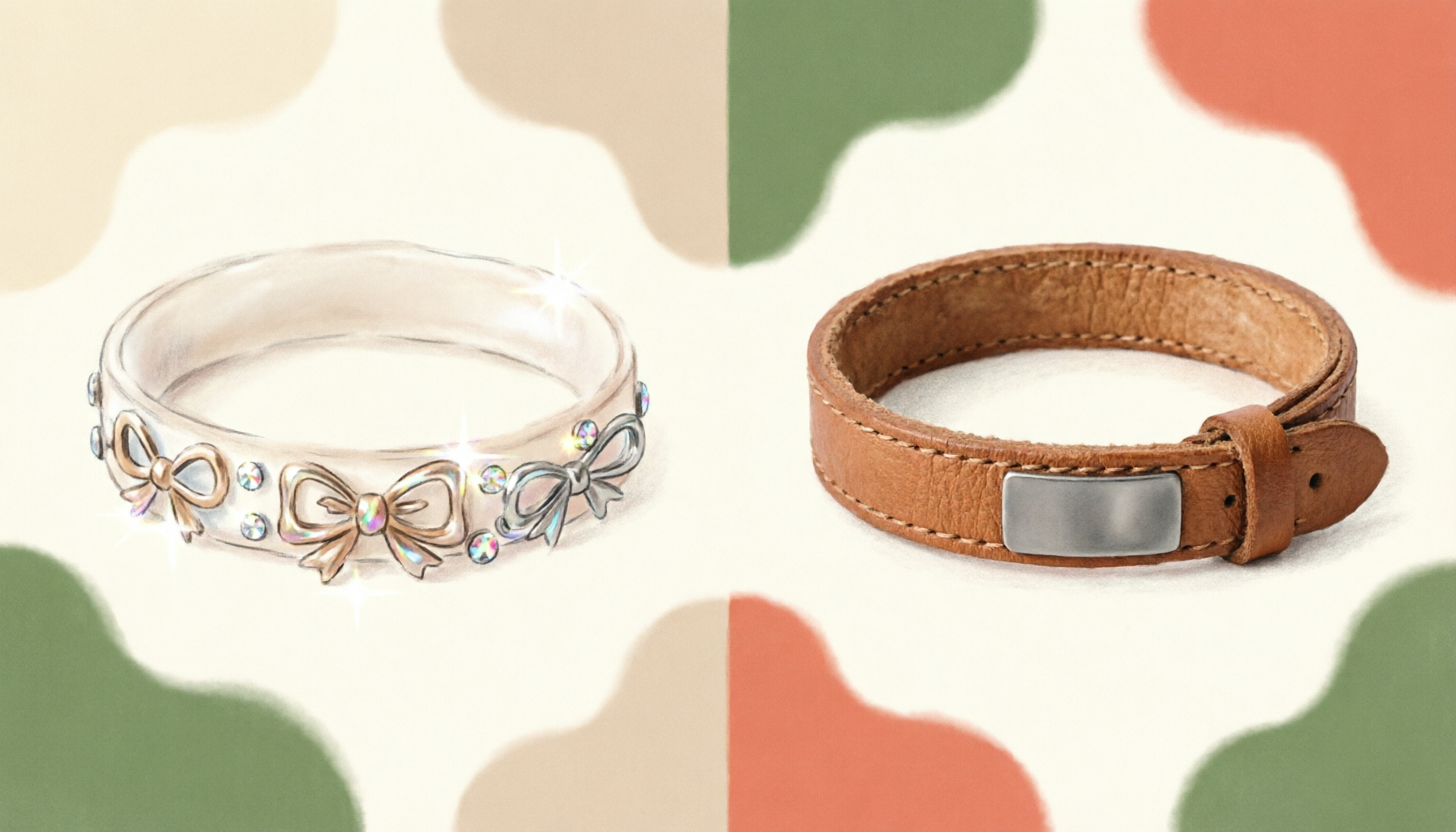
Quick answer: The cute vs practical debate is a false choice. Handmade small-batch production means cuteness and practicality aren't in tension — the details that make something cute (careful design, quality materials, finishing work) are the same details that make it durable.
The False Choice
Retailers position cute and practical as opposites. "Cute" products are framed as decorative — beautiful but fragile. "Practical" products are framed as functional but dull. You have to choose.
This framing serves retailers who want simple product categories. It doesn't serve dog owners who want both.
Handmade production proves the debate is false. The details that make something cute — careful design, quality materials, finishing work — are the same details that make it durable. The two reinforce each other.
What "Cute Without Compromise" Actually Looks Like
Material Quality
Mass-produced "cute" pet products use cheap materials because cute is a marketing claim, not a product standard. If the fabric fades, that's fine — it was cheap to make.
Handmade cute uses quality materials because the maker cares about the piece and wants it to last. Quality materials look better and feel better. The dog notices.
Construction Details
A mass-produced collar has basic stitching. A handmade collar has reinforced stress points, clean finishing, and hardware that actually works. These details make the collar last longer AND look better. Practical and cute are the same thing.
Design Intent
Decorative products are designed to look good in a photo. Functional products are designed to work in real life. Handmade products are designed for real dogs — which means they need to look good and work well.
A dog collar that's uncomfortable, a bed that loses its shape after a wash, a toy that falls apart — these aren't cute in real life. Practical IS cute when it's done well.
The Handmade Advantage
Small-batch production allows decisions that mass production can't justify. When you're making 10,000 of something, you optimise for cost. When you're making small batches, you optimise for quality — and quality includes aesthetics.
Handmade pieces carry the maker's intent. They're not designed by committee for a price point — they're designed for a dog who'll wear it every day.
FAQs
Does handmade mean more expensive?
Usually, yes — quality materials and careful construction cost more than cheap mass production. But the cost-per-wear is lower. A handmade collar that lasts three years costs less than three cheap collars that each last one.
How do I spot quality pet products?
Check the hardware (solid, not hollow). Check the stitching (reinforced at stress points). Check the materials (thick webbing, quality fabric). If it looks flimsy, it probably is.
Are all handmade pet products good quality?
Not all — "handmade" is a method, not a guarantee of quality. Look for small-batch makers who use quality materials and have genuine knowledge of what dogs need. The best handmade pieces feel substantial in your hand.
Visa&Momo's handmade range → — designed to be both beautiful and durable.