
How to Measure Your Dog for a Collar: Complete Guide
Getting the right collar fit is one of the most important things a dog owner can do for their pet's safety and comfort. A collar that is too tight can restrict breathing and cause skin irritation, while too loose risks your dog slipping free.
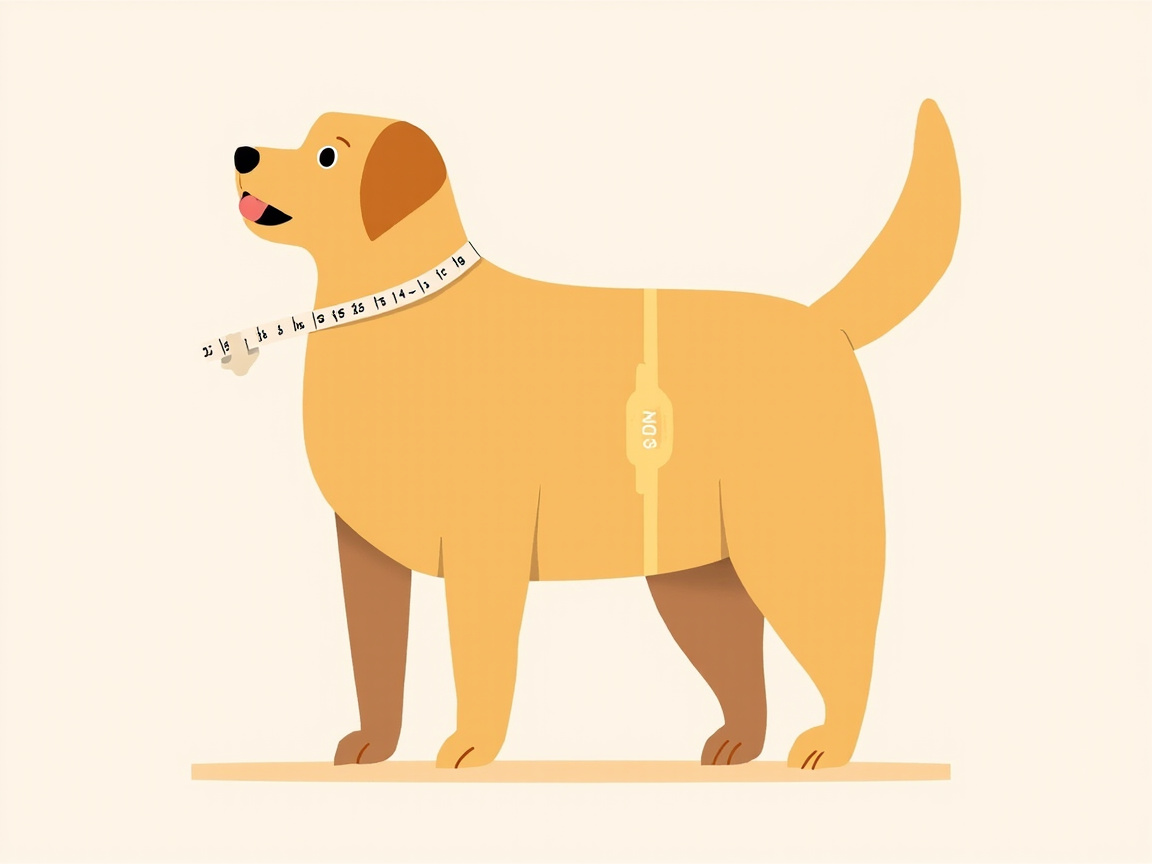
Step-by-Step Measuring Guide
What You'll Need
- A soft cloth measuring tape (the type used in sewing kits)
- Alternatively, a piece of string and a ruler
- A notepad and pencil to record the measurement
It is best notto guess your dog's size based on their breed alone, because dogs of the same breed can have very different neck sizes. Always measure directly.
Position Your Dog
Have your dog stand in a relaxed, natural position. Standing is the ideal posture because it mirrors how the collar will sit during walks and daily activities. Offer a treat to keep them calm and still.
Locate the Collar Zone
Identify the mid-neck area — not too high near the ears and not too low on the shoulders. For dogs with very tapered necks (such as Greyhounds, Borzois, or Rough Collies), collar size can vary significantly depending on where you want the collar to sit.
Wrap the Measuring Tape
Wrap the soft tape measure around the neck so it lies flat against the coat — snug but not digging into the skin. Make sure the tape is parallel to the ground.
Note the Measurement
Record the circumference in centimetres (UK standard) or inches. Write this down — don't rely on memory when shopping.
Add the Comfort Allowance
- Small dogs (under 10 lbs / ~4.5 kg): Add 1 inch (~2.5 cm)
- Medium dogs: Add 2 inches (~5 cm)
- Large dogs: Add 3 inches (~7.5 cm)
Note: Some brands ask you to record the raw neck measurement and let their size chart account for the adjustment. Always check the individual brand's instructions.
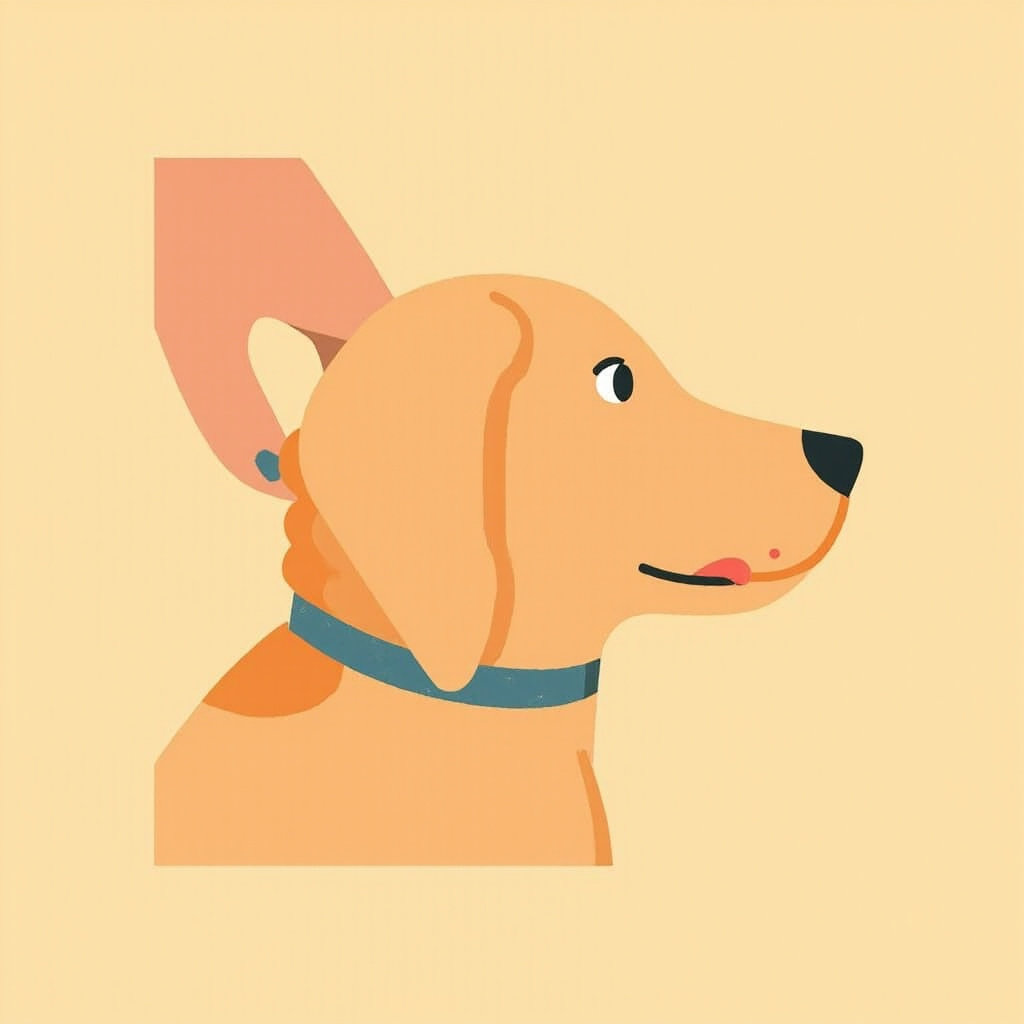
Apply the Two-Finger Rule
Once you have fitted the collar, confirm fit with the Two-Finger Rule: slide two fingers (flat, not angled) between the collar and your dog's neck.
For very small dogs, use a single finger. For very large dogs, use three fingers.
UK Dog Collar Size Reference Chart
| Collar Size | Neck (cm) | Neck (in) | Example Breeds |
|---|---|---|---|
| XXS | 20–27 cm | 8–11" | Chihuahua, Yorkshire Terrier, Italian Greyhound |
| XS | 28–32 cm | 10–14" | Jack Russell, Cavalier King Charles Spaniel, Havanese |
| S | 30–42 cm | 12–16" | Cockapoo, Dachshund, Cocker Spaniel, Pug |
| M | 41–50 cm | 16–20" | Border Collie, Beagle, Springer Spaniel, French Bulldog |
| L | 45–60 cm | 18–24" | Labrador, Golden Retriever, German Shepherd, Boxer |
| XL | 55–70 cm | 22–28" | Great Dane, Bernese Mountain Dog, Rottweiler, Mastiff |
| XXL | 66–81 cm | 26–32" | St. Bernard, Bloodhound, Bullmastiff |
Always cross-reference with the specific brand's size chart, as sizes vary between manufacturers.
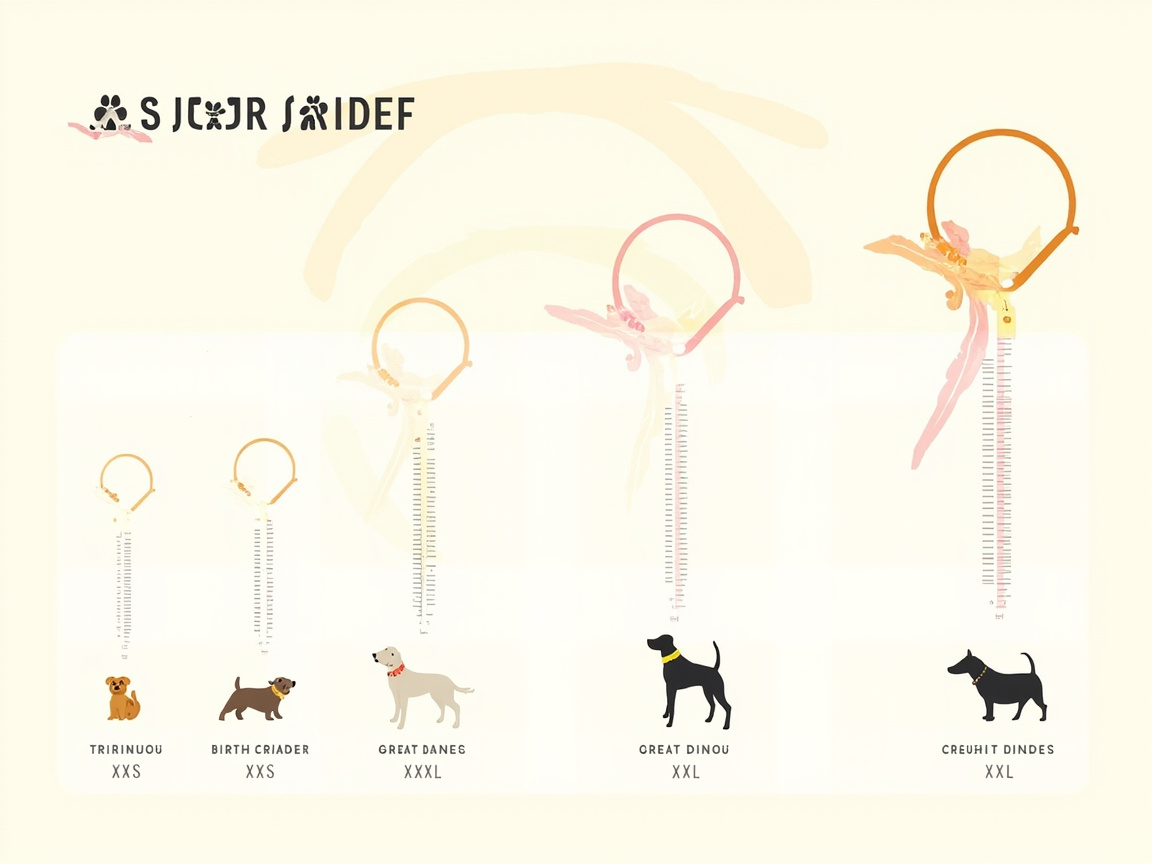
Collar Width: The Often-Overlooked Dimension
Beyond length, collar width is equally important for comfort and safety:
- Micro & small dogs (under 10 lbs / ~4.5 kg): ½" to ¾" (1.2–2 cm) — lightweight and unobtrusive
- Medium dogs: ¾" to 1" (2–2.5 cm) — a good balance of comfort and visibility
- Large/strong dogs: 1.5" to 2" (3.5–5 cm) — distributes pressure more evenly
Wide collars weigh more, so small breeds should always use thinner collars. A standard 1.5" (3.8 cm) collar is a reasonable default for medium dogs when in doubt.
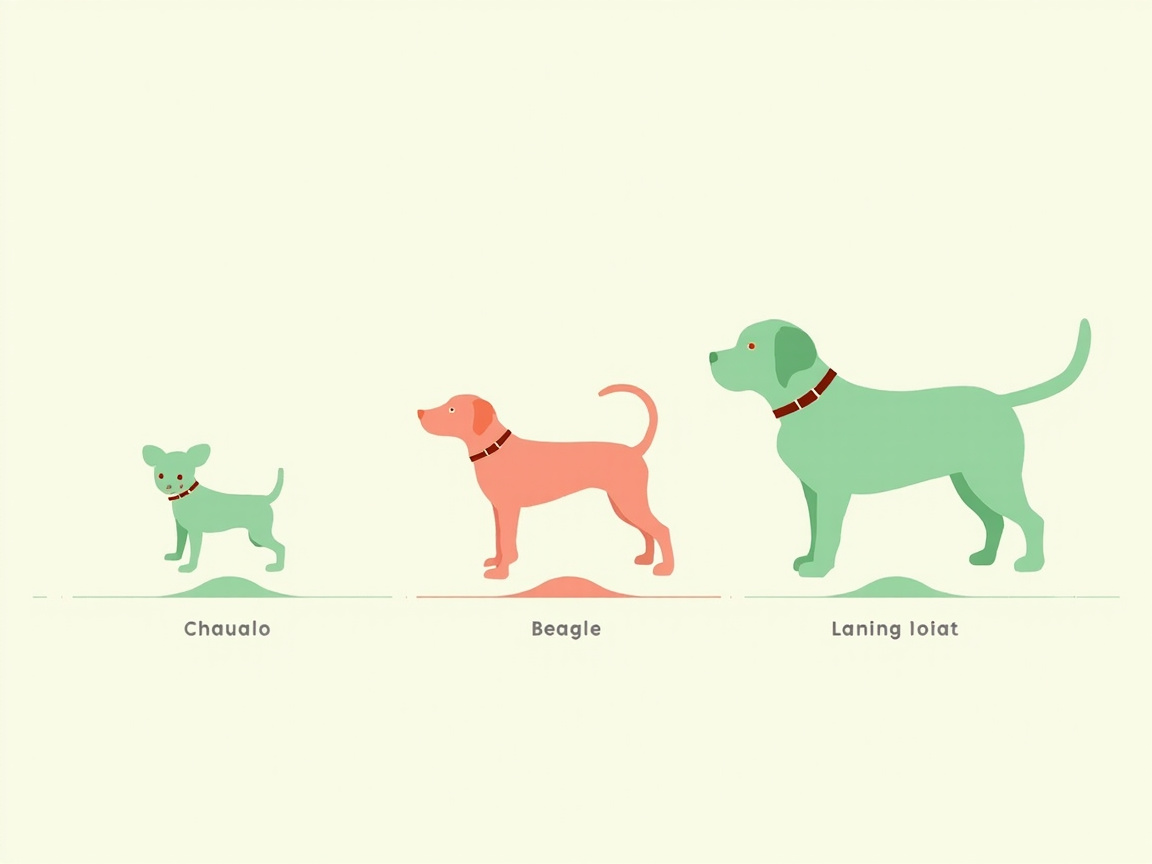
Puppies: Measuring for a Growing Dog
Puppies grow rapidly, and their neck size can change week to week. Key advice:
- • Measure your puppy's neck before purchasing — don't guess based on breed
- • Choose an adjustable collar so it can be extended as they grow
- • Consider buying both a current-fit small collar and a slightly larger medium collar
- • Check the fit at least every two weeks for fast-growing breeds like Labradors and German Shepherds
- • Puppies can outgrow a collar in as little as one week during peak growth periods
Health Risks of Poor Collar Fit
⚠️ Too Tight
- • Breathing restriction: Pressure on the trachea makes breathing difficult
- • Swallowing problems: Tight collar compresses the oesophagus
- • Skin irritation: Can cause dermatitis and hair loss over time
- • Tracheal collapse risk: Especially dangerous in small breeds like Chihuahuas and Yorkshire Terriers
⚠️ Too Loose
- • Escape risk: Dogs can back out of a loose collar, especially during walks
- • Collar snagging: Can catch on furniture, branches, or other dogs
- • Constant rotation: Causes rubbing and irritation where the buckle or D-ring sits
Research finding: A 2020 study by Nottingham Trent University and the University of Nottingham found that all collar types tested — including padded and wide-fitting collars — exerted pressure sufficient to risk neck injury when a dog pulls on a lead. Researchers recommended using collars primarily for ID tags and walking dogs on a well-fitted harness, particularly if the dog pulls.
Alternative Method: Using an Existing Collar
If your dog already wears a collar, you can measure that instead of their neck directly:
- Remove the collar and clip it shut at the hole your dog normally uses
- Measure the internal circumference of the closed collar with a soft tape
- Use that measurement to find the equivalent size in a new collar's size chart
- Confirm fit using the two-finger rule once the new collar is on
This is particularly useful when shopping online.
Quick-Reference Summary
- ✅ Measure the mid-neck with a soft tape, snug but not tight
- ✅ Add 1 inch (small dogs), 2 inches (medium), 3 inches (large)
- ✅ Confirm fit with the two-finger rule after putting the collar on
- ✅ Check collar width as well — narrow for small dogs, wider for large
- ✅ Re-measure puppies every 1–2 weeks during growth phases
- ✅ Consider a harness for dogs that pull on the lead, to reduce neck pressure
- ✅ Never skip re-checking the fit as seasons change or your dog's weight fluctuates
Frequently Asked Questions
My dog is between sizes — which should I choose?
If your dog is between sizes, go with the larger size and use the adjustment holes to get the right fit. A collar that's too tight is uncomfortable and can cause injury.
How often should I check my dog's collar fit?
Check the fit every few weeks, especially for puppies who grow quickly. Dogs can also gain or lose weight seasonally. Always check that you can fit two fingers under the collar.
Should I measure my dog when they're standing or lying down?
Standing gives the most accurate measurement for most dogs. If your dog struggles to stand still, you can measure while they're lying down, but add a little extra allowance.
What if my dog hates having their neck measured?
Make it a positive experience with treats and praise. You can also use a piece of string to measure discreetly, or measure an existing well-fitting collar instead.
Why is collar width important?
Collar width affects pressure distribution. Narrow collars concentrate pressure on a smaller area, which can be uncomfortable or harmful for large dogs. Wider collars distribute pressure more evenly but may be too heavy for small breeds.
Ready to Shop?
Now that you know the right size, browse our handmade collars and scarves on Vinted.
Shop Collars & Scarves on Vinted